Introduction
Bat wings are one of the most fascinating features found in the animal kingdom. Unlike birds, bats are mammals, yet they possess the incredible ability to fly with precision and agility. Their wings are uniquely designed to support everything from long-distance travel to rapid aerial hunting. Whether you are interested in wildlife, biology, or simply curious about how bats fly, understanding bat wings reveals a remarkable example of natural engineering.
Many people associate bats with darkness, caves, or even myths, but there is much more to these creatures than popular stereotypes suggest. Their wings are highly specialized structures that have evolved over millions of years. These wings help bats survive in different environments, from tropical forests to urban areas. Scientists continue to study bat wings because they provide insights into flight mechanics, aerodynamics, and even robotics.
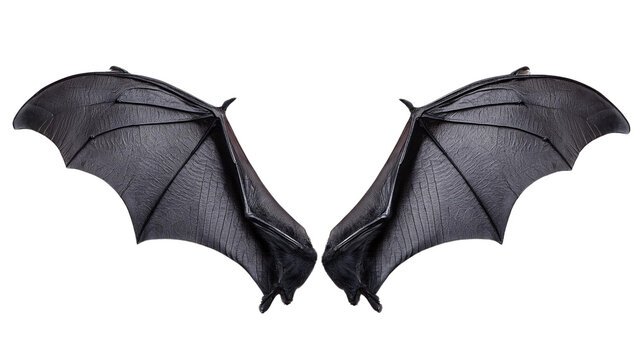
Another reason bat wings attract attention is their unusual appearance. The thin membrane stretched across elongated fingers gives bat wings a very different look compared to bird wings. This distinctive structure allows bats to maneuver in ways that birds often cannot. They can sharply change direction, hover briefly, and navigate tight spaces with ease. These capabilities make bats some of the most skilled fliers in the world.
The Unique Structure of Bat Wings
Bat wings are essentially modified hands. The bones inside a bat’s wing are surprisingly similar to the bones found in human hands and arms. The main difference is that bats have extremely elongated finger bones that support a thin layer of skin called the patagium. This membrane stretches between the fingers, body, and legs, forming the wing surface necessary for flight.
The wing membrane is highly flexible and contains blood vessels, muscles, and nerves. This flexibility gives bats exceptional control during flight. Unlike birds that rely heavily on feathers, bats can alter the shape of their wings instantly. This ability allows them to adjust their speed, direction, and lift depending on their environment. For example, bats flying through dense forests can make rapid turns without losing balance.
Another interesting aspect of bat wing structure is its lightweight design. Although bat wings appear delicate, they are incredibly strong and efficient. The thin membrane minimizes weight while maximizing surface area for flight. Scientists have studied bat wings extensively to understand how such lightweight structures can remain durable under constant movement and pressure.
How Bat Wings Help Bats Fly
Flight in bats depends heavily on wing flexibility and muscle coordination. When bats fly, their wings move in a complex motion that generates lift and thrust simultaneously. Unlike airplanes or birds, bats actively change the shape of their wings throughout each wingbeat. This dynamic movement gives them extraordinary flying abilities.
One major advantage of bat wings is maneuverability. Bats can quickly dodge obstacles, chase insects, and navigate dark spaces with remarkable precision. This is especially important for species that hunt insects at night. Their wings work together with echolocation, allowing bats to fly accurately even in complete darkness. The combination of sensory adaptation and wing control makes them highly efficient nocturnal predators.
Bat wings also support energy-efficient travel. Some bat species migrate over long distances, and their wing shape helps reduce energy consumption during flight. Long, narrow wings are ideal for fast and sustained movement, while shorter, broader wings provide better control in cluttered environments. Different species have evolved wing shapes suited to their lifestyle and habitat.
The Different Types of Bat Wings
Not all bat wings are the same. Different bat species have wings adapted for specific purposes. For example, bats that live in open spaces often have long and narrow wings. These wings allow them to fly quickly and cover large distances while using less energy. Such bats are commonly found in areas where they hunt insects in open skies.
On the other hand, bats that inhabit forests usually have shorter and broader wings. These wings provide greater maneuverability, helping them fly through trees and avoid obstacles. Forest bats often need rapid turns and precise control while hunting, making wing flexibility more important than speed. Their wings are perfectly suited for navigating tight spaces.
Fruit bats, also known as flying foxes, possess large wings designed for gliding and long-distance travel. These bats can travel several miles in search of fruit and nectar. Their wings are powerful enough to support larger body sizes compared to insect-eating bats. Despite their size, fruit bats are graceful fliers capable of smooth and controlled movement.
Why Bat Wings Are Important to Science
Scientists study bat wings because they offer valuable information about aerodynamics and biomechanics. The flexible design of bat wings has inspired research in aviation and robotics. Engineers are particularly interested in how bats achieve stable flight while constantly changing wing shape. This could lead to the development of more efficient flying machines and drones.
Bat wings are also useful in medical and biological research. The wing membrane heals quickly and contains unique tissue structures that researchers continue to investigate. Some studies focus on how bats repair wing damage without severe scarring. Understanding these processes may eventually contribute to advancements in human medicine and tissue regeneration.
Another scientific interest involves climate adaptation. Bat wings help researchers understand how animals evolve in response to environmental challenges. Wing shape can reveal information about a bat’s habitat, feeding behavior, and migration patterns. By studying these features, scientists gain a deeper understanding of biodiversity and ecosystem balance.
Common Myths About Bat Wings
There are many myths surrounding bat wings, often influenced by movies and folklore. One common misconception is that bat wings are dangerous or dirty. In reality, bats spend a significant amount of time grooming themselves. Their wings are carefully maintained because healthy wings are essential for survival and flight performance.
Another myth is that bats frequently attack humans. Most bats are shy creatures that avoid contact with people whenever possible. Their wings are designed for hunting food and navigating environments, not attacking humans. Bats generally prefer to stay hidden during the day and become active only at night.
Some people also believe that bat wings are fragile and easily damaged. While the wing membrane is thin, it is surprisingly resilient. Minor tears can heal naturally over time. Bats have evolved efficient healing mechanisms that allow them to recover from injuries and continue flying successfully.
Bat Wings and Their Role in Ecosystems
Bat wings play a critical role in maintaining ecological balance. Many bats are insect eaters, consuming large numbers of mosquitoes and agricultural pests every night. Their ability to fly efficiently allows them to hunt over wide areas, helping farmers reduce crop damage naturally.
Fruit bats contribute to pollination and seed dispersal. As they travel from one location to another, their wings help them cover long distances while carrying pollen or seeds. This process supports forest regeneration and plant diversity. In many tropical ecosystems, bats are essential for maintaining healthy vegetation.
The ecological importance of bat wings extends beyond feeding. Their flight patterns influence predator-prey relationships and contribute to nighttime biodiversity. Without bats and their highly efficient wings, many ecosystems would struggle to maintain natural balance.
Conclusion
Bat wings are far more than simple tools for flight. They represent a remarkable evolutionary achievement that combines flexibility, strength, and precision. From their unique structure to their role in scientific research and ecosystem health, bat wings continue to fascinate researchers and nature enthusiasts alike.
Understanding bat wings also helps people appreciate the importance of bats in the natural world. These mammals provide essential ecological services while showcasing some of the most advanced flight mechanics found in nature. Their wings allow them to survive in diverse habitats and perform behaviors that few animals can match.
As scientific research continues, bat wings may inspire future innovations in technology, medicine, and engineering. What once seemed mysterious is now recognized as one of nature’s most impressive biological designs. The more we learn about bat wings, the more we realize how extraordinary these flying mammals truly are.